Top 5 ways to polish gold at home.Dust, sweat, and everyday wear can cause your gold jewellery to lose its natural shine over time. The good news is that you don’t always need professional cleaning to bring back its sparkle. With a few simple and safe home methods, you can easily polish your gold jewellery and restore its beautiful, like-new shine.
Furthermore, gold can be polished at home with simple techniques. Moreover, this article presents the top five safe ways to polish gold at home.
However, if your gold jewellery has lost its shine completely, professional polishing in Raichur is the best option. Therefore, visit Chandru Gold Works — we restore your gold to look brand new.
Why Does Gold Jewellery Lose Its Shine?
Pure gold does not easily tarnish, but most jewellery is made from a gold alloy containing other metals. Everyday exposure to:
- Sweat and body oils
- Dust and dirt
- Soap and shampoo
- Perfume and cosmetics
- Household chemicals
- Moisture
- Frequent handling
can leave a layer of residue on the surface and make your jewellery look dull.
Regular gentle cleaning can remove this buildup and help your gold jewellery maintain its natural appearance.
Before Cleaning Your Gold Jewellery
Before cleaning, check what type of jewellery you have.
A simple gold chain or ring may be easier to clean at home, while jewellery containing diamonds, pearls, emeralds, opals or other delicate gemstones may require extra care.
Also check whether the jewellery is:
- 22K or 916 gold
- 18K gold
- 14K gold
- White gold
- Rose gold
- Gold-plated jewellery
- Gold jewellery with gemstones
If a stone is loose, the jewellery is damaged, or you are unsure about the correct cleaning method, professional cleaning is safer.
1. Soap Water Method (Best & Safest)
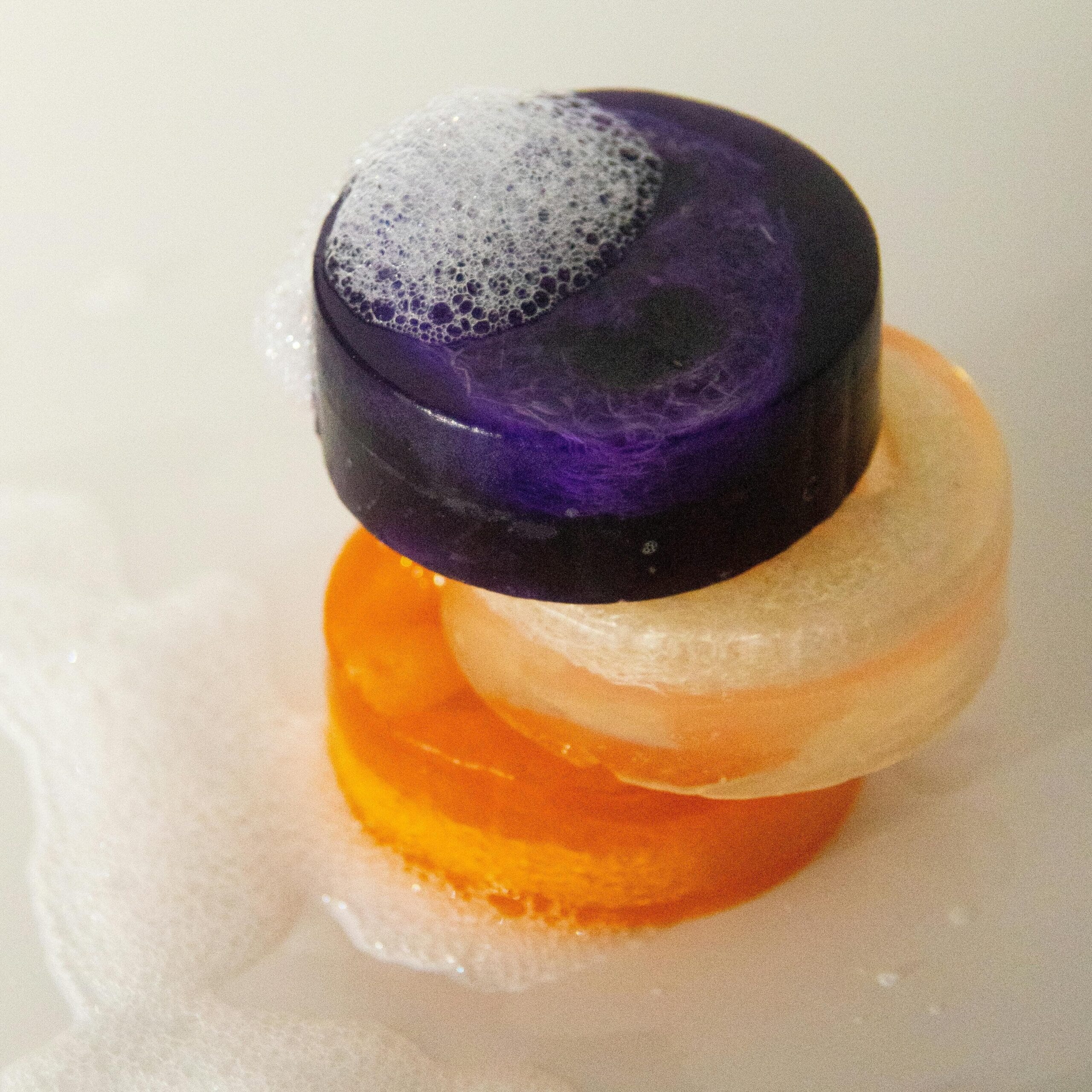
This is the easiest way.
Steps:
- Fill a bowl with warm water.
- Add a few drops of mild liquid soap.
- Soak your gold jewellery for 15–20 minutes.
- Gently scrub it with a soft-bristled toothbrush.
- As a result, rinse thoroughly with clean water and pat dry with a soft, lint-free cloth.
Best for regular cleaning
Safe for all gold jewellery
2. Baking Soda Method
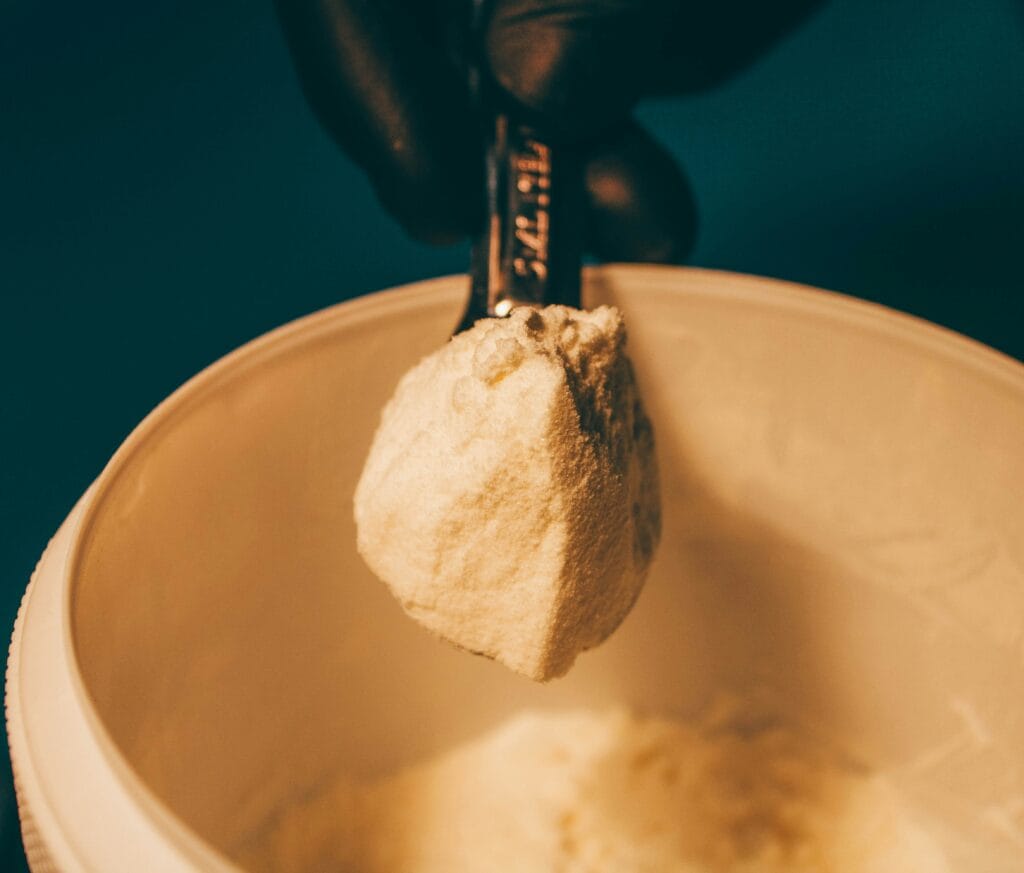
Steps:
- Mix baking soda with a little water (make a paste)
- Apply gently to jewellery
- Rub softly using fingers or a cloth
- Wash and dry
Don’t use for delicate or stone jewellery
3. Toothpaste Method (Quick Shine Trick)
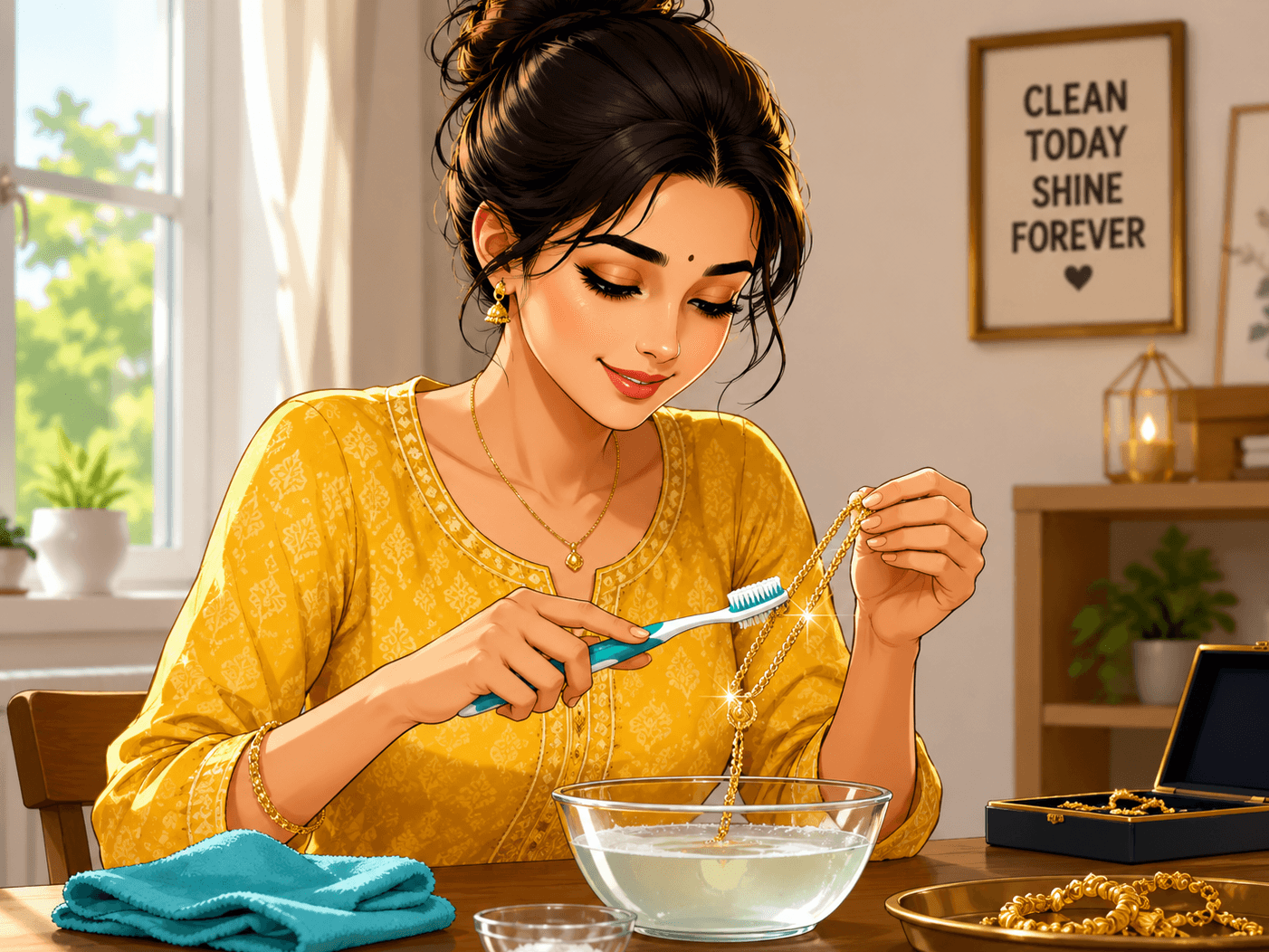
Works when gold looks slightly dull.
Steps:
- Apply a small amount of plain toothpaste
- Rub gently with a soft cloth
- Rinse and dry
Use only occasionally (not daily)
4. Vinegar Cleaning Method
Helps restore shine.
Steps:
- Dip the gold in white vinegar for 10–15 minutes
- Rinse with water
- Dry with a soft cloth
Removes dirt and oil
5. Professional Gold Polishing Cloth
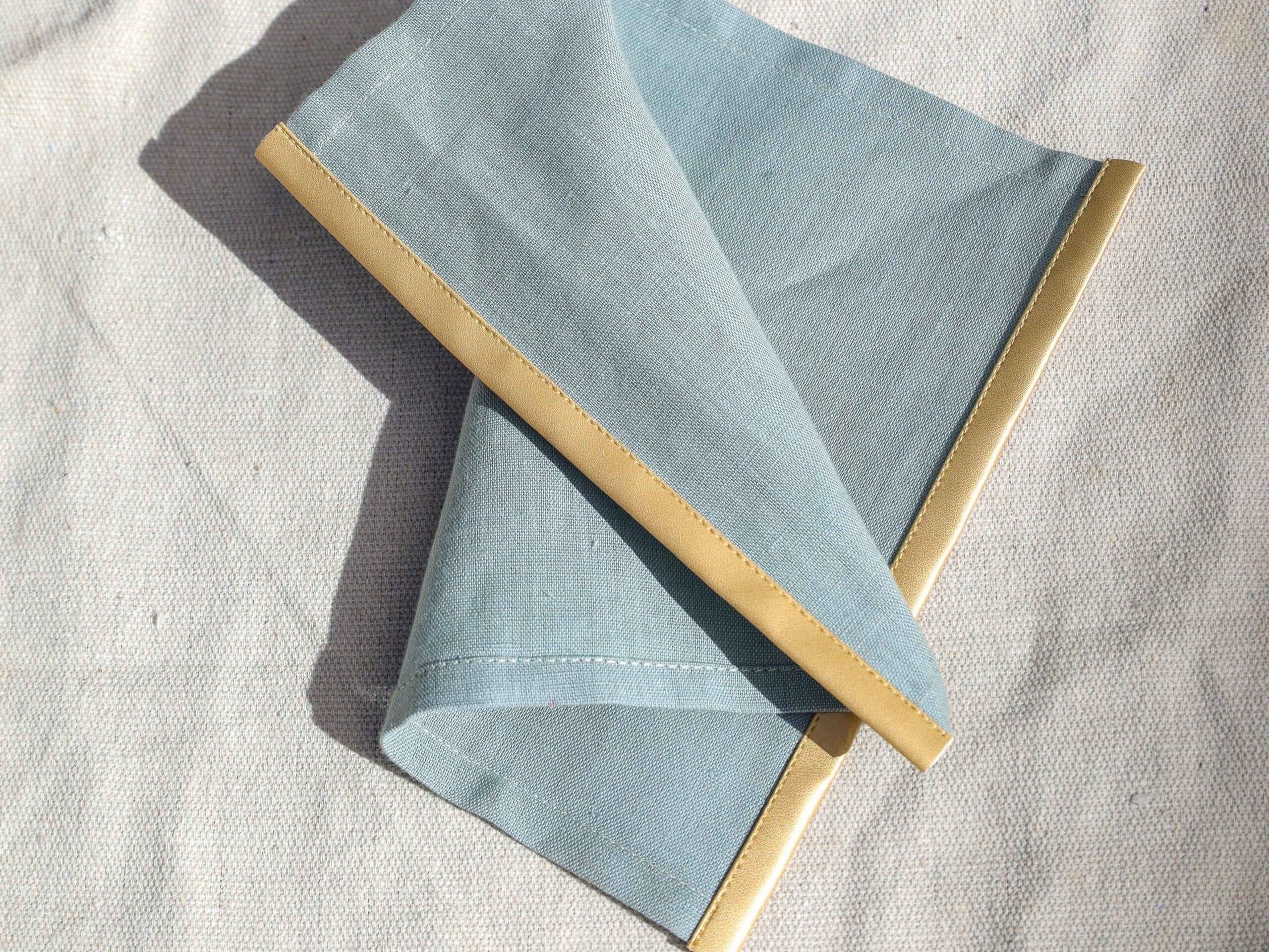
If you want quick results without risk:
Steps:
- Use a gold polishing cloth
- Gently rub jewellery
Best for instant shine
No chemicals needed
When Is Professional Polishing Needed?
Professional polishing may be required when gold jewellery develops visible scratches, loses its shine, or Over time, gold jewellery can develop scratches and lose its natural shine. While regular home cleaning helps, professional polishing is the best way to restore its original finish. Jewellers use specialised tools and polishing compounds to safely bring back its brilliance.
Consider professional polishing if:
- Your jewellery has visible scratches.
- It still looks dull after cleaning.
- You want to refresh an old piece for a special occasion.
- It has intricate designs that are difficult to polish at home.
For valuable, delicate, or antique gold jewellery, professional polishing is the safest way to preserve its beauty and craftsmanship.beauty and value.
Professional Gold Polishing vs Home Polishing
Both home polishing and professional polishing can help maintain the appearance of gold jewellery. However, they serve different purposes and offer different results.
| Home Polishing | Professional Polishing |
|---|---|
| Basic cleaning and shine restoration | Deep cleaning and polishing |
| Low cost and easy to do at home | Performed by experienced jewellers |
| Safe for removing light dirt and dust | Can remove minor scratches and marks |
| Suitable for regular maintenance | Suitable for old, dull, or heavily used jewellery |
| Uses simple household materials | Uses specialized polishing equipment |
| Results in a cleaner appearance | Provides a brighter, showroom-like shine |
Home polishing is perfect for regular maintenance and keeping your gold jewellery looking clean and shiny. However, if your gold rings, chains, bangles, earrings, or pendants have visible scratches or have lost their shine over time, professional polishing is the best way to restore their original brilliance and finish.
What to Avoid When Polishing Gold Jewellery
Avoid These Mistakes When Polishing Gold Jewellery at Home:
- Using hard brushes that can scratch the surface.
- Cleaning with rough cloths or abrasive pads.
- Applying excessive pressure while polishing.
- Using harsh chemical cleaners that aren’t made for gold jewellery.
- Exposing your jewellery to bleach, chlorine, or other strong cleaning solutions.
These mistakes can reduce the shine and lifespan of your precious gold jewellery.
Chemicals That Can Damage Gold
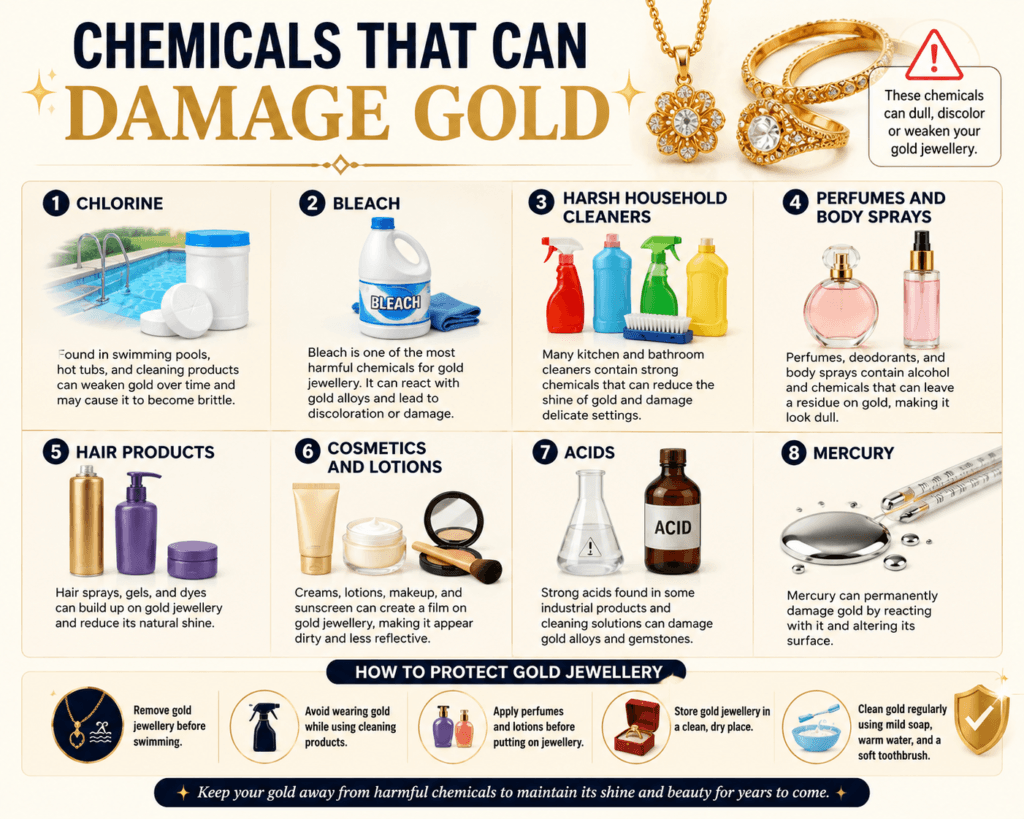
Certain chemicals can damage gold and affect its appearance over time. Avoid exposing your gold jewellery to:
- Bleach
- Chlorine
- Ammonia-based cleaners
- Strong acids
- Industrial cleaning products
Frequently Asked Questions
How can I clean gold jewellery at home naturally?
The safest simple method is lukewarm water with a small amount of mild soap. Gently clean the jewellery with a soft cloth or soft-bristled brush, rinse thoroughly and dry it with a soft cloth.
What is the safest way to clean gold jewellery?
For most plain gold jewellery, mild soap, lukewarm water and gentle brushing are a good starting point. Jewellery containing delicate gemstones may require specialized care.
How do I make gold jewellery shiny again?
If the jewellery is dull because of dirt or residue, gentle cleaning can restore some of its shine. Scratches and worn finishes may require professional polishing.
Can I use toothpaste to clean gold?
It is better to avoid toothpaste because its abrasive ingredients may scratch polished gold surfaces.
Can I use baking soda to clean gold jewellery?
Avoid aggressive baking-soda scrubbing because abrasive materials can scratch polished jewellery.
Can I use vinegar to clean gold jewellery?
Vinegar is not recommended as a universal cleaning solution for gold jewellery. Mild soap and lukewarm water are a safer option for routine cleaning.
How do I clean 22K gold jewellery?
Use lukewarm water, mild soap and a soft cloth or soft-bristled brush. Avoid aggressive rubbing because higher-purity gold is relatively soft.
How do I clean gold jewellery that has turned black?
First determine whether the dark appearance is caused by surface residue, tarnishing of alloy metals or another issue. Try gentle cleaning with mild soap and lukewarm water. If the appearance does not improve, have the jewellery inspected professionally.
How often should gold jewellery be polished?
Professional polishing does not need to be done every time jewellery becomes dirty. Routine cleaning is usually sufficient for everyday dirt, while professional polishing is more appropriate for scratches, worn finishes or jewellery that needs restoration.
Is professional gold polishing safe?
Professional polishing can be safe when performed appropriately by an experienced jeweller using suitable jewellery-cleaning and polishing techniques. The amount and type of polishing required depends on the jewellery’s condition and design.
Can gold jewellery be professionally cleaned and polished?
Yes. A professional jeweller can clean and polish gold jewellery and inspect it for issues such as scratches, loose stones, worn settings or damaged clasps.
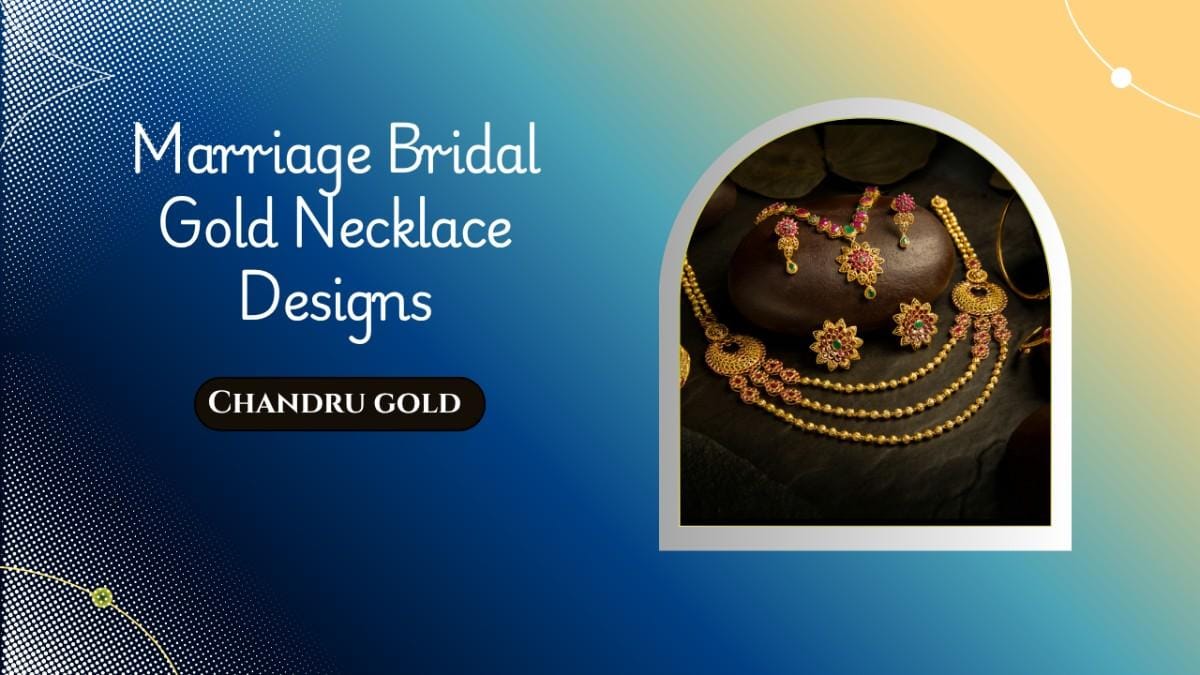
Marriage Bridal Gold Necklace Designs: An Easy Buying Guide for Indian Brides
Choosing the right bridal gold necklace design can feel overwhelming with so many styles, karats, and prices to…

How to Check Gold Purity at Home: A Goldsmith’s Honest Guide
Thirty years ago, I stood behind my father’s workbench watching him scratch a customer’s “24 karat” bangle against…
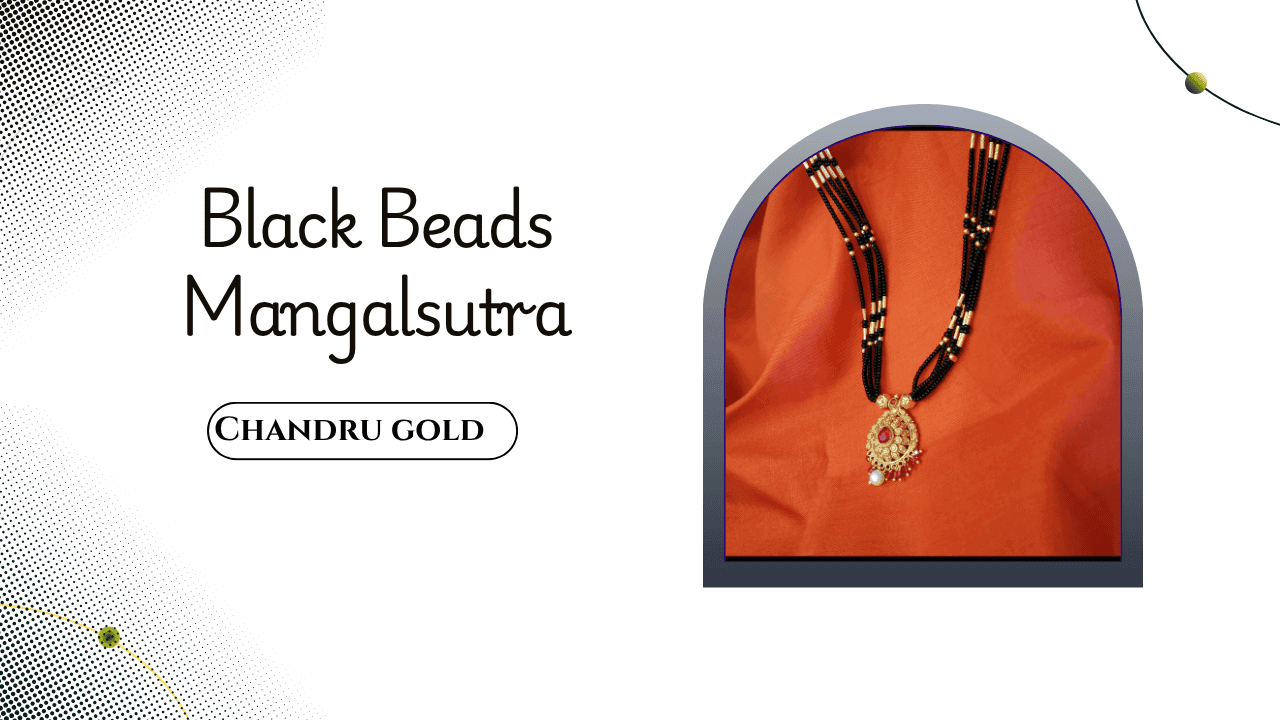
Black Beads Mangalsutra: The Complete Guide to Nallapusalu Chains and South Indian Designs
A black beads mangalsutra is not just an ornament. For most Indian women, it is a symbol of…

Gold Selling Rate Today: Live Gold Price Per Gram, Gold Trend & Gold Bar Price
Gold selling rate today (31 July 2026): 24-carat (999) gold is selling at ₹14,427 per gram (₹1,44,270 per…

3-Layer Chain: Complete Guide to Gold 3-Layer Chains (2026)
A 3-layer chain is a gold necklace made of three connected chain strands — usually a thicker base…
Gold Necklace Designs for Ladies: Expert Buying Guide (2026)
Gold Necklace Designs for Ladies: has moved well beyond the traditional — today’s woman wants pieces that work…